My Afternoon With Tony Bennett
And the question he asked that changed my life
Hear this piece read by yours truly, below.
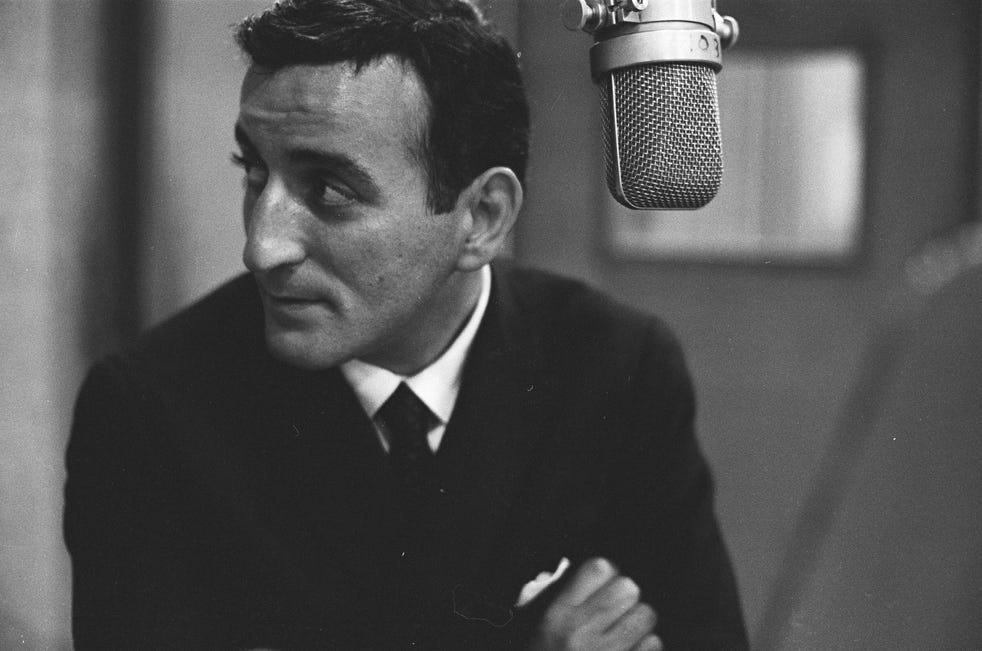
Back when I was writing about music for magazines—before I became a professional musician, before the band I co-founded snowballed into a career that’s taken me places I never dreamed of—I spent an afternoon with Tony Bennett, in his apartment overlooking Central Park, interviewing him about his new record.
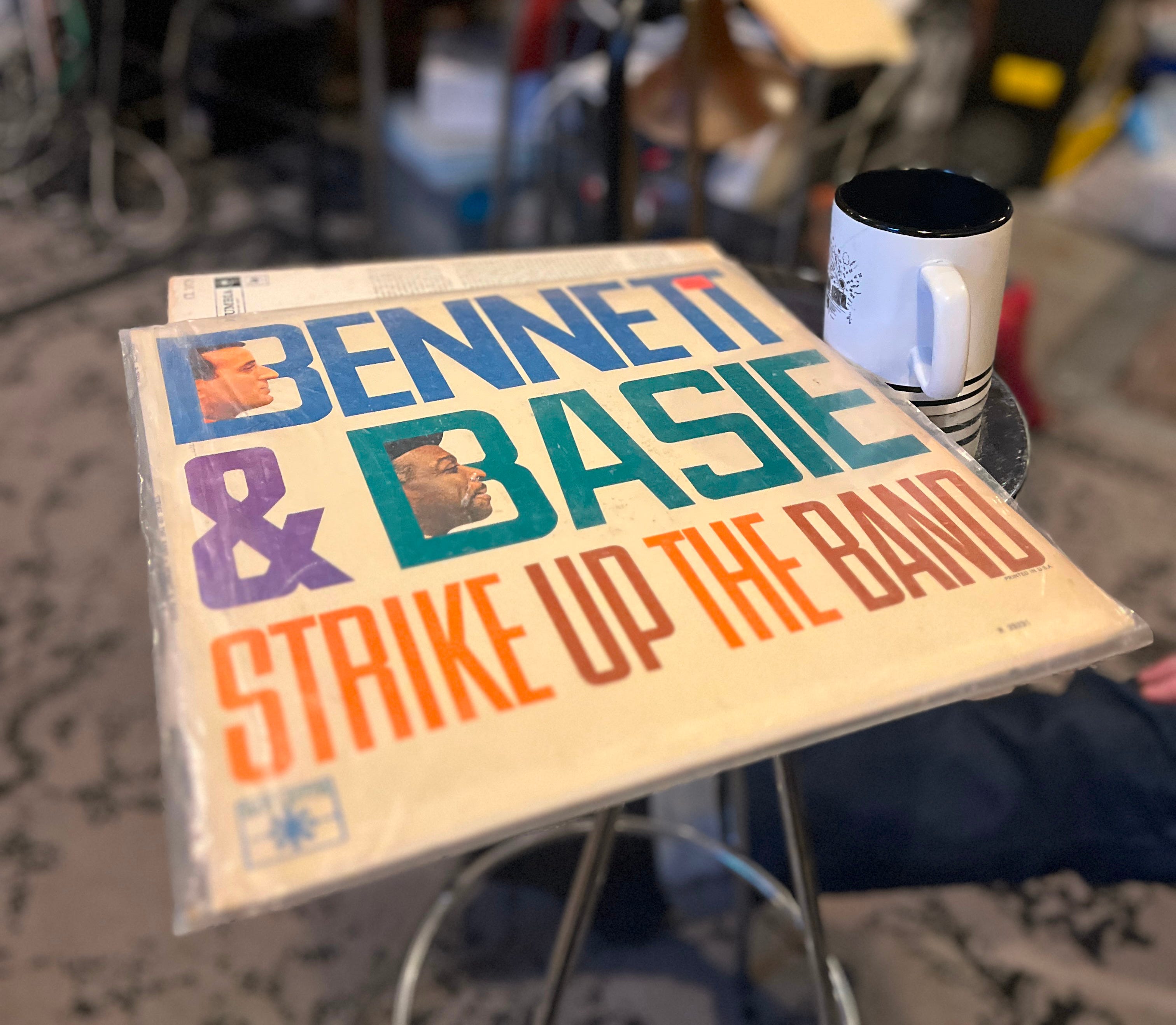
Reading that back, it sounds so cool and collected. To be clear: I was neither. Aggressively, chaotically neither—a ball of pure adrenaline for days. I had pages of notes, more questions than I could possibly ask, and the kind of nervous energy that only comes from meeting someone whose music has lived alongside you for years. This was Tony Bennett. When I was 8 or 9, I was so obsessed with a record he’d made with Count Basie that I named my pet bird Peepers, after “Jeepers Creepers” (deep cut).
And I was going to talk to him. At his house. Where he lives.
When I first got to his apartment, I spent what probably seemed like a suspicious amount of time in his guest bathroom, just kind of gathering my wits and wondering if my 800-decibel heartbeat was audible to others.
And those were just This-is-Tony-Bennett nerves. What I didn’t know, when I settled in on one of the cream-colored couches in his living room, was that our conversation would bring me face to face with something about myself I hadn’t figured out yet.
I wrote about music, created content about music. I loved my job, and I think I was pretty good at it. I loved getting to pick the brains of the music makers, and telling the stories behind how records got made. That’s why I was sitting on Tony Bennett’s couch, after all.
But what he somehow sensed, over the course of my interviewing him, was that I didn’t just want to talk about music.
I wanted to make it.
I wanted to sing. (I had been singing since I was three, I just hadn’t done it much in front of other people.) I wanted to write songs. I wanted to arrange them. I heard music in my head from the moment I woke up until I fell asleep, and I’d spent years assuming that was simply true of anyone who loved music. I didn’t yet get what was going on inside my own head. Who in their early 20s does?
We finished the interview, but Tony Bennett wasn’t finished talking. “You seem to know a lot about this music,” he said.
I admitted I sang, all old jazz, mostly in the shower. I’d been in one high school musical and one community-theater production.1 Instead of ushering me out the door, he started asking me questions.
How long had I been singing?
Who were my favorite composers?
What kind of music did I hear myself making?
And the million-dollar question, the one that tapped a small crack in my foundation:
“When are you going to start singing outside the shower?”
He grilled me, in the best possible way—better than any therapist before or since—not to test me, but because (I think?) he was genuinely interested. He had a generosity that made you feel like your dreams deserved serious consideration. For that afternoon, he treated my barely-spoken ambitions as though they were already real.
Looking back, I think he recognized something I hadn’t figured out: I was waiting for permission. I was waiting to feel qualified enough, confident enough, legitimate enough to call myself what I actually wanted to be. I had an endless list of reasons why people like me don’t become professional musicians, but deep down, I was terrified. How would one even do such a thing? Where do you begin?
Tony Bennett wasn’t interested in any of that. He didn’t say it directly, but his message was clear: Whether you believe you can do this or believe you can’t, you’re probably going to be right either way.
He had spent a lifetime around artists. He knew that talent matters, but he also knew how often the biggest obstacle is the voice in your own head telling you to stay safely on the sidelines.
And at a certain point he said:
“You don’t have to be perfect, you just have to be truthful. I’m still working at getting better.”
I walked in hoping to get enough good quotes to turn into a 2500-word piece for a magazine,2 and I walked out having hit an almost indescribable jackpot: the feeling that one of my heroes had seen me—not as a writer who happened to love music, but as a musician who hadn’t yet given herself permission to become one.
Now that I’m older, I think of the generosity behind the wisdom he shared with me, a total stranger. I think of the questions he asked and hear the quiet certainty behind them. And I imagine what it must have been like to look across the couch from the relative end of your titanic career at someone with all their years ahead of them, but no idea where to start.
Stop waiting. Start singing.
Love is pure gold and time, a thief.
None of his wisdom hit right away, I’m afraid. It took a while until I started singing outside the shower. But I left his place that day and walked out onto Central Park feeling very, very unsettled, and that feeling lasted for weeks. I received an annual Christmas card from Tony for a few years, and with each card I felt a slight pang of guilt. He had given me a gift. When was I going to open it?
Now that I run two bands and have been making my living as a musician for more than a decade, I can’t tell you the number of times I’ve thought of his advice. What would Tony do? is a true filter for decisions—about everything from hiring personnel to choosing songs to issuing difficult criticism to mentoring those starting out.
I saw Tony Bennett perform live as many times as I could. The voice, sure—but it was his connection to the audience that was as deep and powerful as he made it seem effortless. At one show, he was telling a story when a woman a few rows from the stage yelled out a request: “I Wanna Be Around!”
There was a beat. And he replied:
“So do I, sweetheart. So do I.”
xo Elizabeth
p.s. Please join me, my band and special guests as we wish Tony Bennett a very happy 100th Birthday August 3 at Joe’s Pub.
p.p.s. Read more: Tony Bennett at 100: A Life in 12 Songs
Guys and Dolls—wanted to be Adelaide, got cast as Sarah; Grease; Marty Maraschino, as in cherry.
I was writing a profile for mike magazine, which you haven’t heard of unless you had those music choice channels in your cable package, way up in the hundreds, in which case you were automatically subscribed to a high-end, real-deal, in-the-mail magazine. Sitting down with musicians—from Tony Bennett to Diana Krall to Simon Le Bon (who told me I should ease up on moisturizer because I was “a greasy little monkey”), and so on—was the best part of my job.


Lovely piece on Tony Bennett Loving his music for many years. . My wife and I have been fans of Hot Sardines ever since we enjoyed your show in Utica NY. Dave used one of my drum kits at Munson, and . I was thrilled to meet you after the show.Sorry to miss your August 3rd show, but I have my own gig (Tuesday Night Big Band Utica) the next day. Hugs from the Mohawk Valley, near Utica NY. Vince Sperrazza.